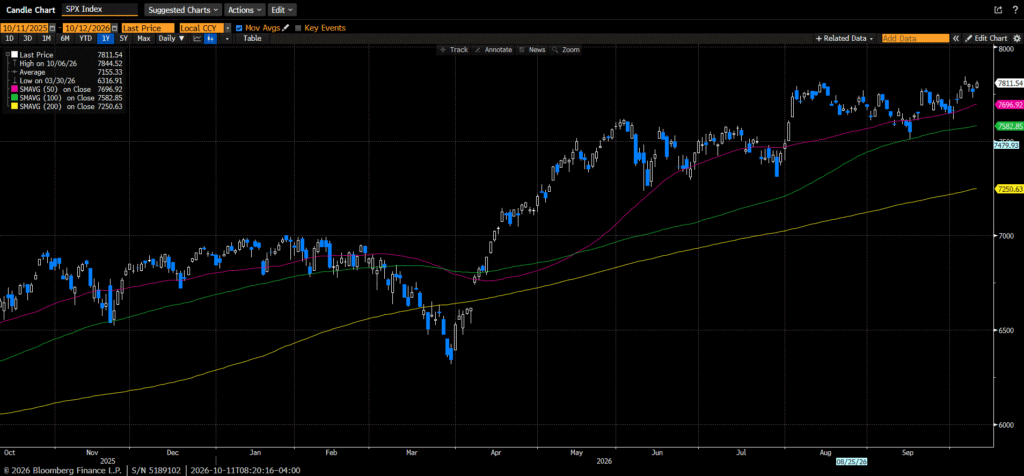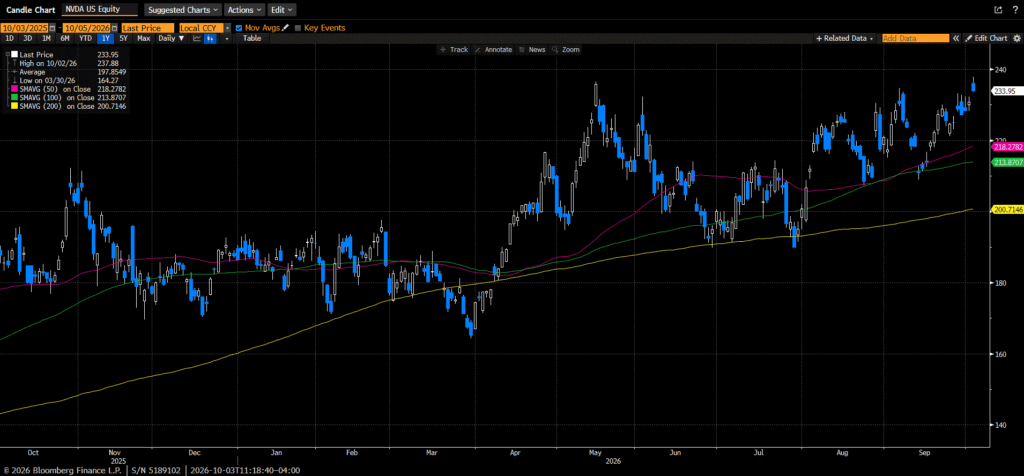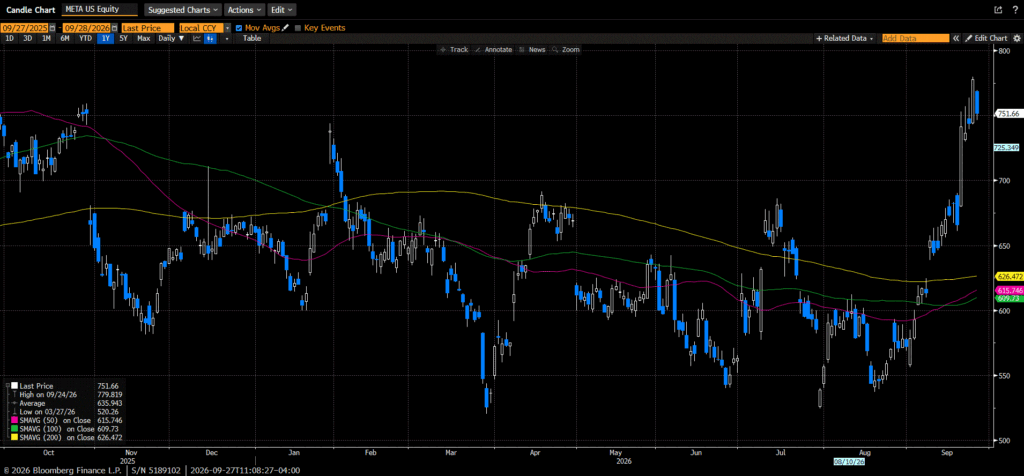


The holiday-shortened week saw the S&P 500 hit its 34th record high this year. The NASDAQ 100 also eclipsed the 20k mark for the first time. Traders welcomed weaker-than-expected economic data that fostered the likelihood that the Federal Reserve could begin to cut its policy rate as soon as September. Central Bank rhetoric over the week was highlighted by a more dovish Fed Chairman, J. Powell, who affirmed that disinflation continues while the labor market appears less tight and economic activity moderates. June FOMC minutes showed participants inclined to wait for inflation to cool, but the minutes showed officials divided on how much longer to keep rates elevated. In the coming week, Fed Chairman Powell and Treasury Secretary Yellen will be on Capitol Hill.

A landslide victory for the Labor party in the UK was widely expected as Keir Starmer became the new Prime Minister. While UK policy will likely shift, it will most likely come with an urgent sense of fiscal responsibility. The second tranche of French elections will close this Sunday. Marine Le Pen’s National Rally party is expected to gain significant ground, but it is not expected that it will be enough to create a majority, and that notion helped European markets rally last week. Here in the US, markets continued to digest President Biden’s weak debate against former President Trump and look for clarity around whether Biden would continue his reelection bid.
The S&P 500 advanced 2.2%, the Dow gained 0.7%, the NASDAQ increased by 4.2%, and the Russell 2000 shed 1%. US Treasuries were bid across the curve, but shorter-tenures outperformed. The 2-year yield fell twelve basis points to 4.6%, while the 10-year yield decreased by seven basis points to 4.27%.

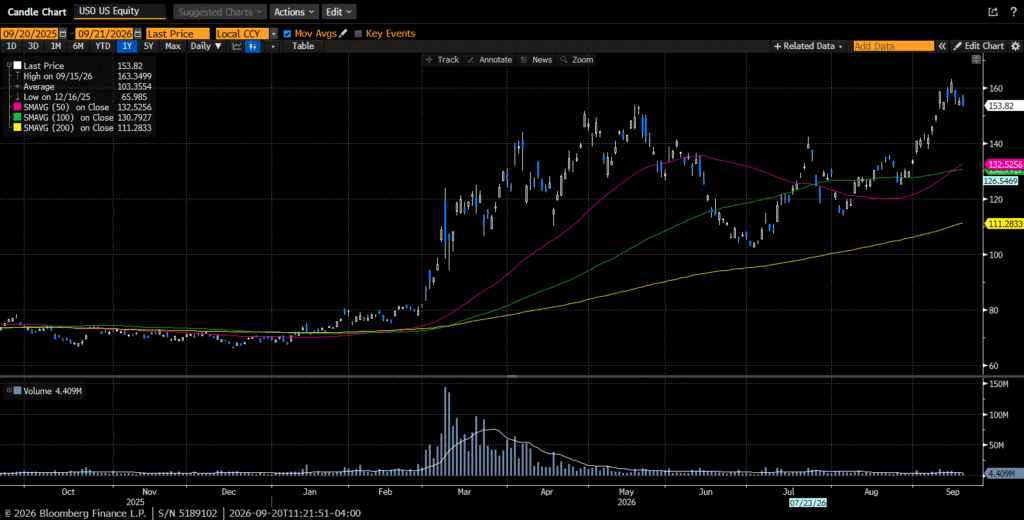
Oil prices gained 2% on larger-than-expected inventory draws and continued unrest in the Middle East. WTI closed at $83.23, up $1.70 on the week. Gold prices rose by 2.4%, or $58.20, to close just shy of $2400 an Oz. Copper prices surged 6% to close at $4.65 per Lb. Bitcoin continued to struggle and had its worst week in over a year. The cryptocurrency traded below $55k briefly as investors awaited potential sales from coin distributions from the failed crypto exchange Mt. Gox.
The economic calendar this week painted a moderating economy. The ISM Services figure contracted at the fastest pace in 4 years and fell well short of the consensus estimate. Services in the US account for over 70% of GDP and has been the main source of economic growth in the US economy. Contraction in the services sector will aid in the argument for rate cuts from the Federal Reserve. Similarly, the labor appears to be less tight. Initial claims ticked higher by 4k and has now been elevated over the last several readings- this comes as Continuing Claims ticked higher by 26k to 1858k. The Employment Situation report showed Non-Farm Payrolls increased by 206k, above the expected 195K, but significantly lower revisions to the prior two readings suggest that the June figures are likely to be revised lower as well. Private Payrolls increased by 136k, short of the 160k consensus estimate. The Unemployment rate ticked higher to 4.1% and was above the estimated 4%. This number seems to have gained more weight in the report given the large revisions in the payroll figures. Average Hourly earnings increased by 0.3%, in line with expectations. On a year-over-year basis, earnings grew by 3.9% down from 4.1% in May. The Average work week remained at 34.3 hours.
Investment advisory services offered through Foundations Investment Advisors, LLC (“FIA”), an SEC registered investment adviser. FIA’s Darren Leavitt authors this commentary which may include information and statistical data obtained from and/or prepared by third party sources that FIA deems reliable but in no way does FIA guarantee the accuracy or completeness. All such third party information and statistical data contained herein is subject to change without notice. Nothing herein constitutes legal, tax or investment advice or any recommendation that any security, portfolio of securities, or investment strategy is suitable for any specific person. Personal investment advice can only be rendered after the engagement of FIA for services, execution of required documentation, including receipt of required disclosures. All investments involve risk and past performance is no guarantee of future results. For registration information on FIA, please go to https://adviserinfo.sec.gov/ and search by our firm name or by our CRD #175083. Advisory services are only offered to clients or prospective clients where FIA and its representatives are properly licensed or exempted.