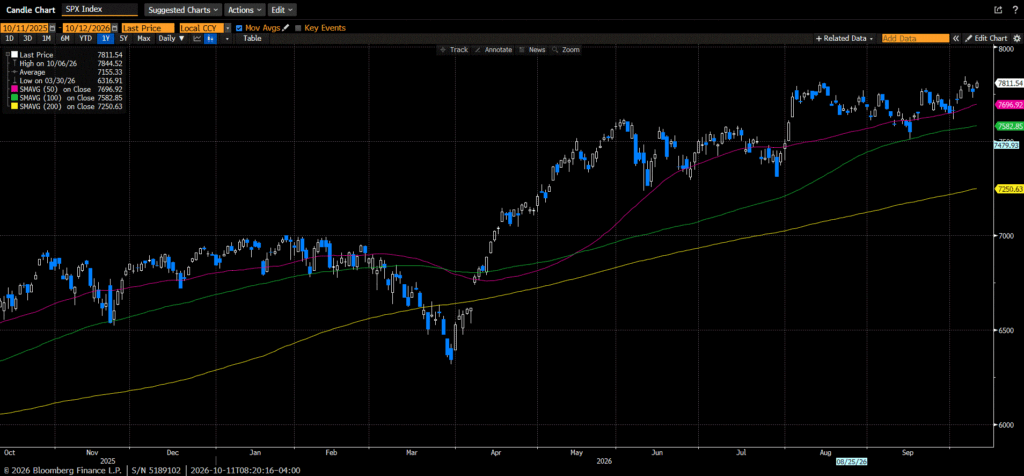


Markets forged another set of all-time highs before taking a step back last week as a deluge of information had to be digested by investors. August 1st was the tariff deadline, and while some deals were made ahead of the deadline, several other countries had their tariff rates set back to higher levels set on “Liberation Day”, including Canada, India, Brazil, and Taiwan. The EU avoided an increase, but similar to the accord made with Japan, many are skeptical that the terms negotiated will hold. Talks with China in Stockholm appeared to yield very little progress, but it sounds like negotiations have been extended for another 90 days. Similarly, Mexico and the US extended their deadline by another 90days.

A third of the S&P 500 reported earnings last week. Microsoft and Meta crushed their estimates and provided investors with a better-than-expected outlook. Microsoft’s cloud initiative
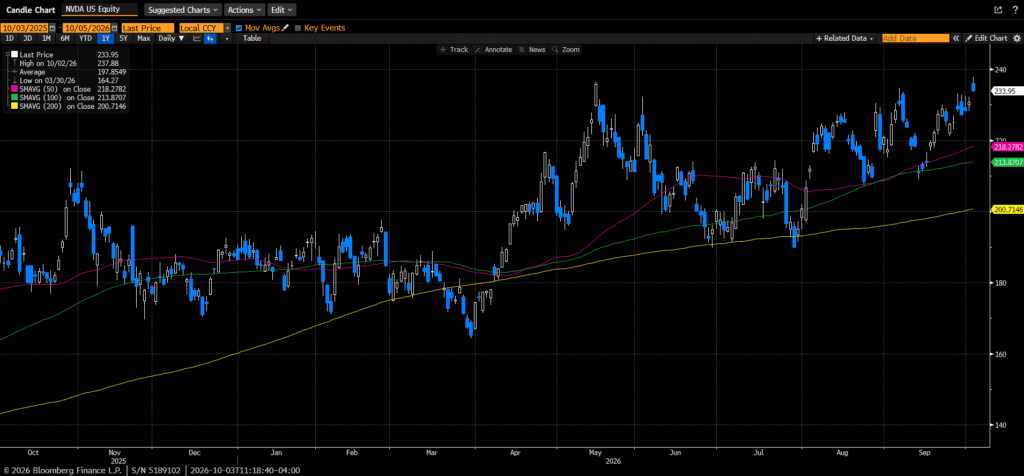
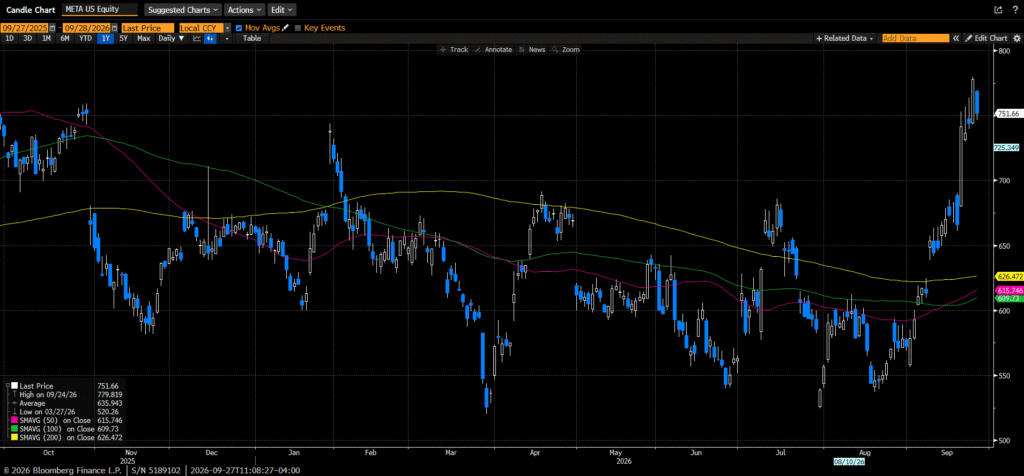
Azure saw a 39% increase in revenues, and its market cap has joined Nvidia’s in the $ 4 trillion club. Meta shares soared to all-time highs as the company showed impressive ad revenues. Notably, both companies signaled that their AI cap-ex would increase. Conversely, Amazon and Apple beat consensus estimates but provided a cautious outlook. The Software Company Figma’s IPO highlighted corporate news outside of earnings. The company’s IPO priced at $33, above the initial range of $25-$28, and gained nearly 250% on its first day of trading, closing at $115.50.

The Federal Reserve kept its policy rate at 4.25%-4.50% as expected. Fed Governors Bowman and Waller voted for a 25 basis point cut, which was the first dissent by two Governors since 1993. Chairman Powell did not move away from his stance that the economy and the labor market continue to be resilient and that inflation continues to be sticky, with a lot of unknowns associated with the tariffs. Interestingly, Fed funds futures moved from about a 69% probability of a rate cut in September to 39% post-meeting. A much weaker payrolls number on Friday reversed this move, with Fed Fund Futures now pricing in an 80.3% chance of a rate cut in September.
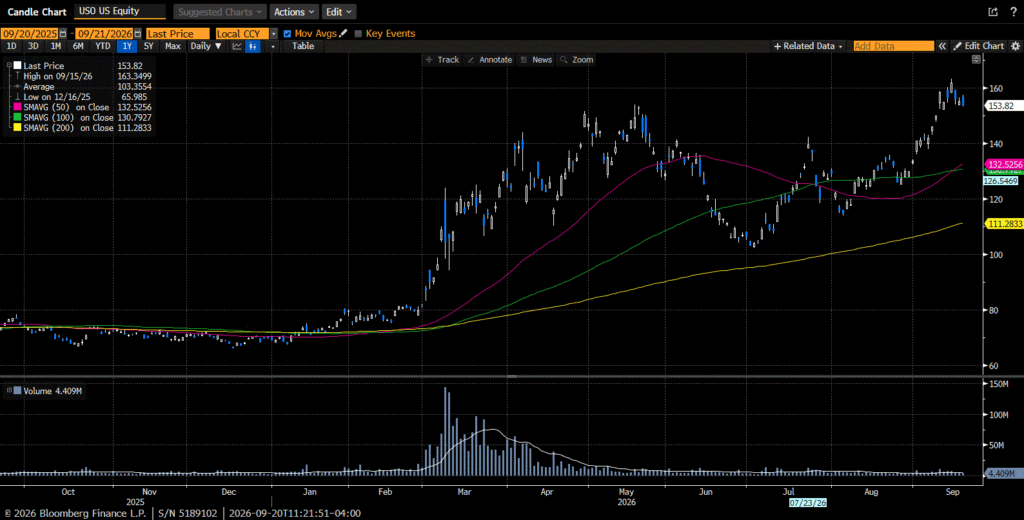
The S&P 500 declined by 2.4%, the Dow shed 2.9%, the NASDAQ fell by 2.2%, and the Russell 2000 lost 4.2%. The US yield curve steepened with a massive move on Friday that nearly made up for all the losses in July. The 2-year yield fell by twenty-two basis points to close at 3.70%, while the 10-year yield fell by seventeen basis points to 4.22%. Trade in commodities was extremely volatile over the week, and it witnessed one of the most significant selloffs in copper’s history. Prices fell by 23.4% or $1.36 to $4.43 per Lb. Trump placed a 50% tariff on semi-finished products rather than on raw copper inputs, which had been expected. Gold prices increased by nearly 2%, closing at $3,399.60 per ounce. Oil prices traded almost 3% higher to $67.35 per barrel on fears that more sanctions would be placed on Russian oil. Trump has put an August 8th deadline for a ceasefire between Russia and Ukraine and threatened Russia with more sanctions if they did not comply. Tensions rose further on reports that the US had sent two nuclear submarines to the region. Oil might lose some of last week’s gains after OPEC+ announced a larger-than-expected increase in production output on Saturday. Bitcoin prices fell by 4.32% from a week ago to $133,374.

The economic calendar was full and showcased the July employment situation report and the Fed’s preferred measure of inflation, the PCE. July Non-Farm Payrolls increased by 73k versus an estimate of 102k, while the prior reading was revised to just 14k from 147k. Private Payrolls came in at 83k versus the consensus estimate of 110k, while the prior reading was revised to 3k from 74k. The weaker-than-expected number, coupled with the significant revisions, is likely to change the Fed’s view of the current labor market to much weaker than they had previously thought, and has now increased the likelihood of a rate cut at the next Fed meeting in September. The Unemployment rate ticked a bit higher to 4.2% from 4.1%. Average Hourly earnings increased by 0.3% up from 0.2% in June. The Average Workweek increased to 34.3 from 34.2. The variability in this data is well known. On Friday, President Trump announced that he is firing the head of the BLS, Erika McEntarfer, because of the massive revisions in BLS data. Headline PCE increased by 0.3% in line with estimates, but increased to 2.6% on a year-over-year basis from 2.4% in May. Core PCE also increased by 0.3% and was unchanged on a year-over-year basis from the prior month at 2.8%. Personal Income rose by 0.3% in June following a 0.4% decline in May. Personal Spending increased by 0.3%, slightly less than the 0.4% expected. Initial Claims increased by 1k to 218k, while Continuing Claims were unchanged at 1946k. Q2 GDP estimates came in higher than expected at 3%, while the GDP deflator was lower than expected at 2%. Consumer Confidence rose to 97.2 from the prior reading of 95.2 on better expectations. The University of Michigan’s Consumer Sentiment for July came in at 61.7, slightly lower than the previous reading of 61.8. Finally, ISM Manufacturing fell to 48% from June’s figure of 49%, signaling a deceleration in the manufacturing sector.

Investment advisory services offered through Foundations Investment Advisors, LLC (“FIA”), an SEC registered investment adviser. FIA’s Darren Leavitt authors this commentary which may include information and statistical data obtained from and/or prepared by third party sources that FIA deems reliable but in no way does FIA guarantee the accuracy or completeness. All such third party information and statistical data contained herein is subject to change without notice. Nothing herein constitutes legal, tax or investment advice or any recommendation that any security, portfolio of securities, or investment strategy is suitable for any specific person. Personal investment advice can only be rendered after the engagement of FIA for services, execution of required documentation, including receipt of required disclosures. All investments involve risk and past performance is no guarantee of future results. For registration information on FIA, please go to https://adviserinfo.sec.gov/ and search by our firm name or by our CRD #175083. Advisory services are only offered to clients or prospective clients where FIA and its representatives are properly licensed or exempted.