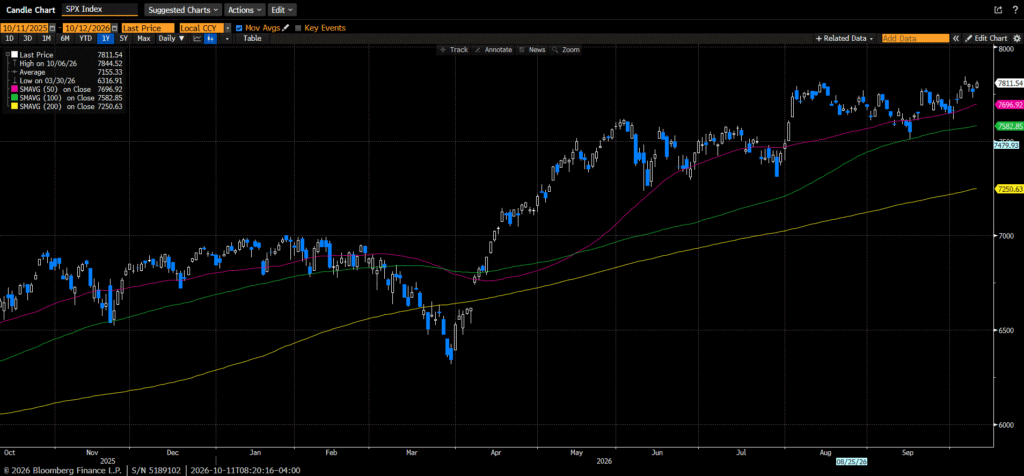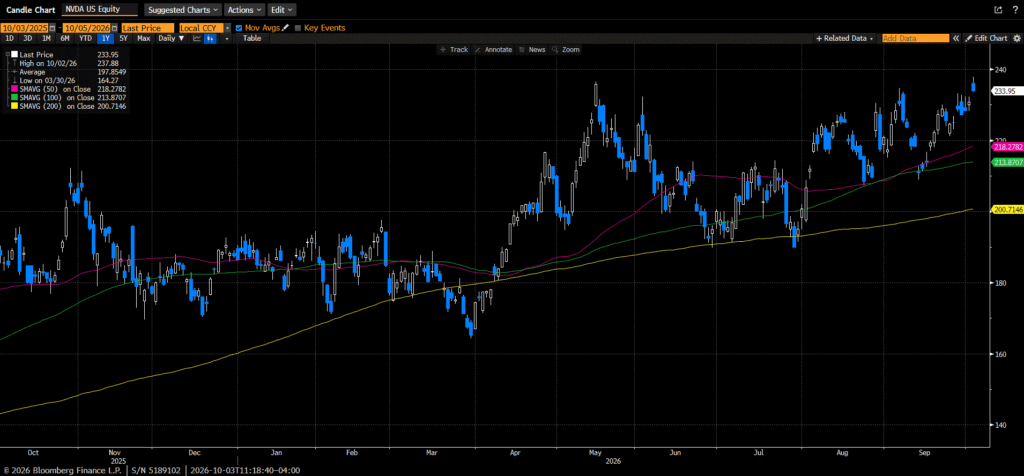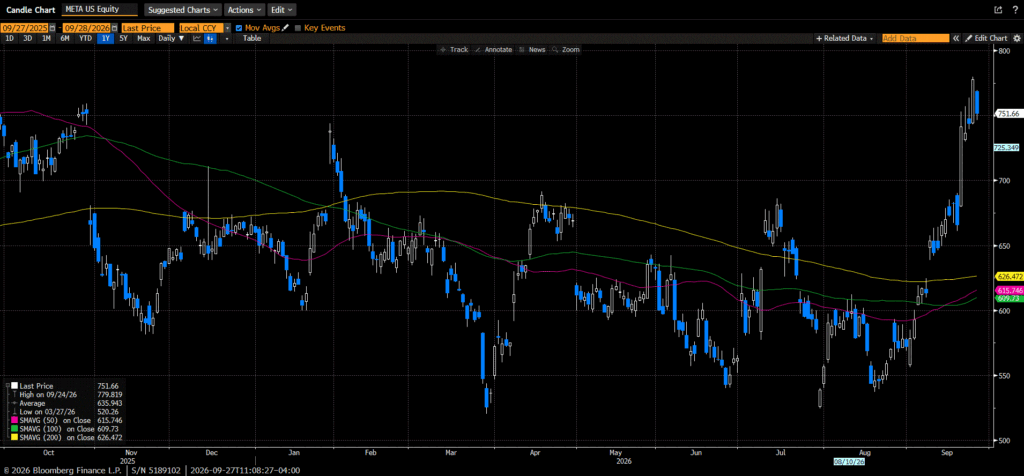


The holiday-shortened week produced another week of gains for US equity indices. The S&P 500 was up 10.6 % in the 2nd quarter, while the NASDAQ composite rose 17.8%. Trump’s reconciliation bill was passed by the Senate and subsequently approved by the House, allowing the president to sign it into law on July 4. The Congressional Budget Office estimates the bill will increase the deficit by $3.4 trillion over the next decade. Interestingly, the US Treasury market had minimal reaction to the bills passing, but did have a material response to the stronger-than-expected Employment Situation report. In contrast, the UK Gilt market sold off on worries over the UK’s increasing deficit and on fears that the Chancellor of the Exchequer, Rachel Reeves, a fiscal hawk, would not remain in office. Prime Minister Sir Keir Starmer settled markets after reassuring the public about Reeves’ role and term as Chancellor. News that Vietnam and the US had reached a trade agreement propelled markets higher in hopes of more trade deals being made before the July 9th deadline. Retailers, Nike, and Lululemon, which have a significant manufacturing presence in Vietnam, rallied on the accord. Futures markets regressed slightly on Friday as Trump reiterated the July 9th deadline and stated that some countries could face levies of up to 70%.

Financials rallied on the back of passing the Fed’s stress tests. This likely opens the door for reduced capital requirements for banks, which will likely result in banks distributing excess capital to shareholders. Apple announced plans to utilize OpenAI or Anthropic’s technology for a revamp of Siri. Apple shares have lagged many of the other MAG seven companies due to concerns that their AI initiatives were uninspiring and falling behind. The news sent shares higher. Microsoft announced another round of layoffs as it attempts to streamline its operations, citing the need because of its significant capital expenditure on AI. Cadence Design and Synopsys rallied on news that the White House would allow exports of Software for semiconductor chip design.

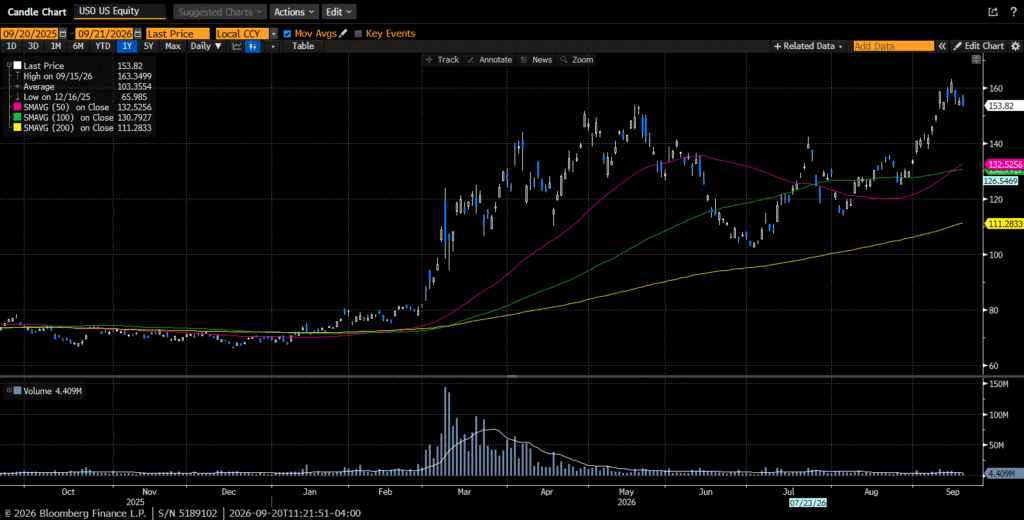
The S&P 500 rose 1.8%, the Dow gained 2.4%, the NASDAQ added 1.7%, and the Russell 2000 outperformed, rising 3.5%. The S&P 500 and the NASDAQ inked another set of all-time highs this week. US Treasuries were unable to post a 4th week of gains as a stronger-than-expected Employment Situation Report recalibrated expectations for future Fed rate cuts. The report eliminated any chance of a July cut and reduced the probability of a September rate cut to 70% from just over 90%. The 2-year yield increased by fourteen basis points to 3.88%, while the 10-year yield rose by six basis points to 4.35%. Oil prices increased by 2% or $1.37 to close at $66.94 a barrel. Concerns that OPEC+ will increase its production quotas again this weekend will likely keep a lid on prices in the near term. Gold prices increased by $41.80, closing the week at $3,338.60 per ounce. Copper prices rose by seven cents to $5.14 per Lb. Bitcoin’s price was little changed from where it started last week at $107,500.

The labor market was the focus of this week’s economic calendar. Non-farm payrolls increased by 147,000, which was significantly higher than the consensus estimate of 110,000 and the whisper number of 90,000. Interestingly, the bulk of these payroll numbers came from government workers in education, which casts considerable doubt on the labor market strength and the data series, notorious for significant revisions and seasonal adjustments. Private Payrolls came in weaker than expected at 74k vs. an estimated 123k. The Unemployment rate ticked down to 4.1% from 4.2%. Average Hourly Earnings increased by 0.2% versus an estimated increase of 0.3%. The Average Work Week declined to 34.2 hours from 34.3. ADP Employment Change declined by 33k, while Continuing Claims fell by 4k to 233k, and Continuing Claims came in unchanged at 1.964M. ISM Manufacturing Contracted at a smaller pace, coming in at 49 versus the prior reading of 48.5. ISM services returned to expansion with a reading of 50.8.

Investment advisory services offered through Foundations Investment Advisors, LLC (“FIA”), an SEC registered investment adviser. FIA’s Darren Leavitt authors this commentary which may include information and statistical data obtained from and/or prepared by third party sources that FIA deems reliable but in no way does FIA guarantee the accuracy or completeness. All such third party information and statistical data contained herein is subject to change without notice. Nothing herein constitutes legal, tax or investment advice or any recommendation that any security, portfolio of securities, or investment strategy is suitable for any specific person. Personal investment advice can only be rendered after the engagement of FIA for services, execution of required documentation, including receipt of required disclosures. All investments involve risk and past performance is no guarantee of future results. For registration information on FIA, please go to https://adviserinfo.sec.gov/ and search by our firm name or by our CRD #175083. Advisory services are only offered to clients or prospective clients where FIA and its representatives are properly licensed or exempted.