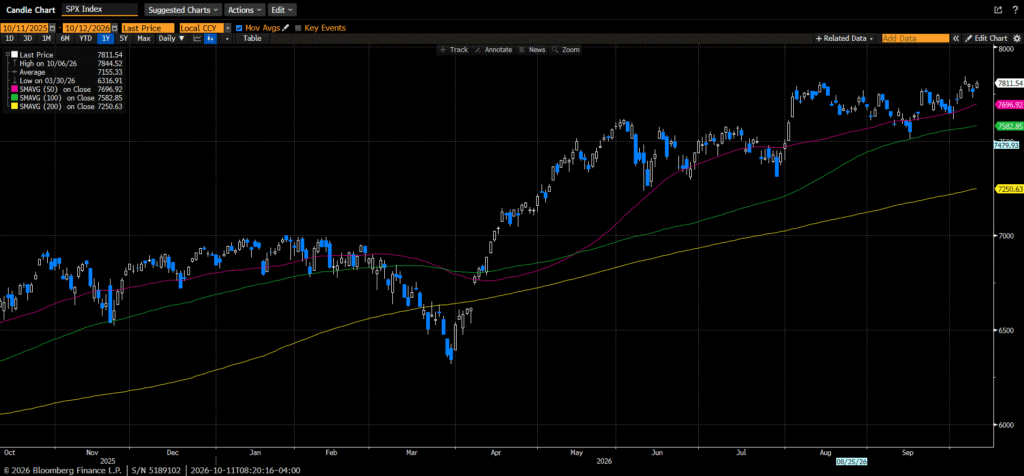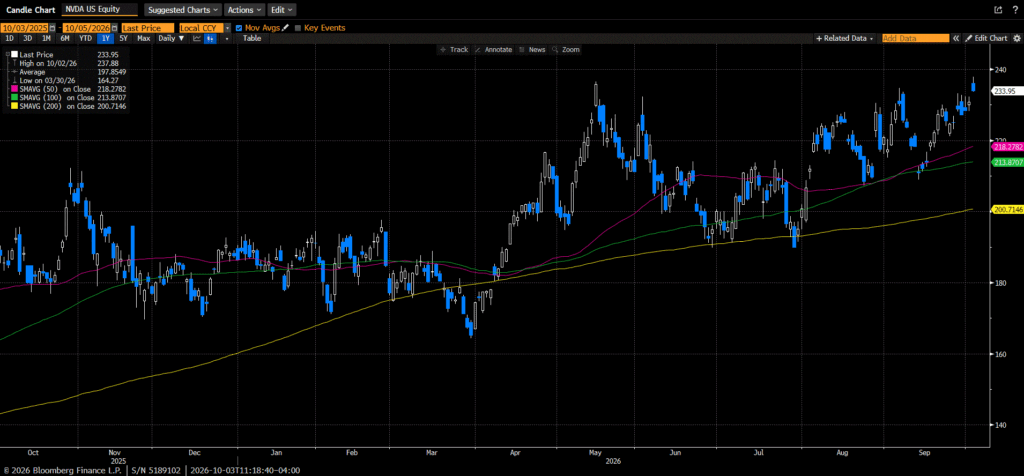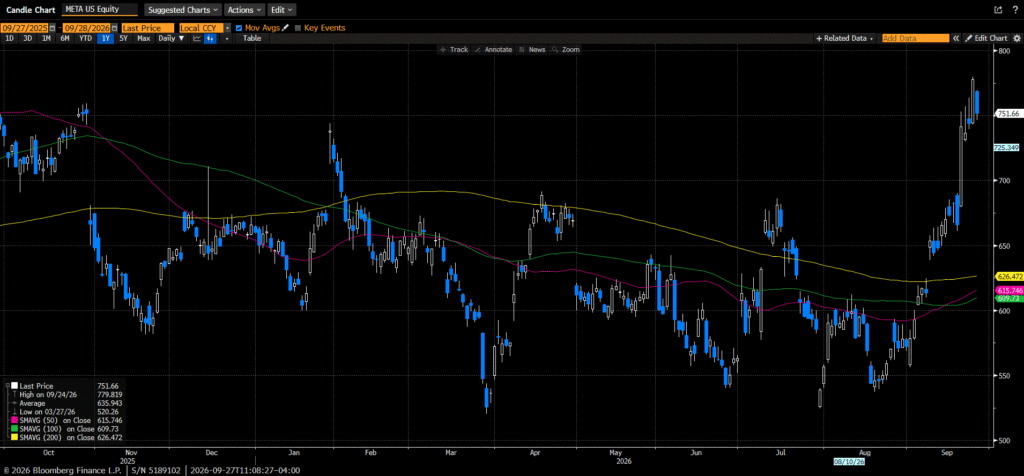


US markets advanced in an erratic week of trading. The S&P 500 ended the week above the 6000 level and is up nearly 24% from the April 7th lows. Investors continue monitoring global trade policy, hoping more trade deals will be signed soon. Trump acknowledged that China’s President Xi is “extremely tough and extremely difficult to make a deal with”. The two leaders spoke late in the week and agreed to send trade delegations to London to resume negotiations. President Trump is sending Treasury Secretary Bessent, Commerce Secretary Lutnick, and Trade Representative Greer to meet with the Chinese delegation. In other trade news, it is rumored that a trade deal with India is close and that negotiations with Japan have hit a few snags. There were also plenty of headlines throughout the week regarding the reconciliation bill. A fallout between President Trump and Elon Musk became apparent as both sent barbs over social media. Musk called the bill in its current form a “disgusting abomination” and called for lawmakers to kill the bill. The sharp rhetoric hit shares of Tesla stock, which lost nearly 150 billion in market capitalization on Thursday. Threats of curtailed government contracts to Tesla remain a concern for several investors who have invested in Musk’s companies. A mixed bag of economic data increased volatility in the rates markets and pushed out the probability of Fed rate cuts. Notably, the European Central Bank cut its monetary policy rate by twenty-five basis points. The move was widely expected. ECB President Lagarde said the central bank expected Eurozone inflation to continue to moderate and expected inflation in 2026 to be 1.6%.

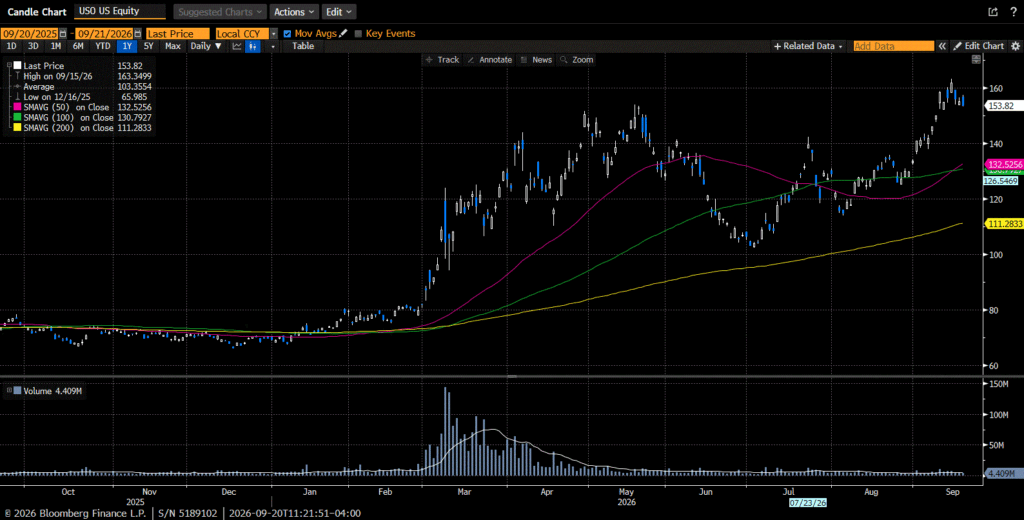
The S&P 500 gained 1.5% and, as I mentioned earlier, eclipsed the 6000 mark for the first time since late February. It is now up 2%for the year. The Dow rose 1.7%, the NASDAQ increased by 2.18%, and the Russell 2000 gained 3.19%. The mega caps and semiconductors led the market higher for the week. Circle, a company specializing in Stablecoins, held its IPO and was up nearly 169% on its first day of trading. US Treasuries endured a volatile week but ended with losses. The front end and the belly of the curve took the brunt of the sell-off as investors recalibrated rate cut expectations. The 2-year yield increased by fourteen basis points, while the 10-year yield rose by twelve basis points to 4.51%. Despite OPEC+ announcing it would increase daily production by 411k barrels, oil prices gained. West Texas Intermediate prices increased by $3.83 or 6.3% to close at $64.59 a barrel. Gold prices increased by $30.70 to close at $3,346.40 per ounce. Copper prices closed the week $0.15 higher at $4.85 per Lb. Bitcoin’s price had a volatile week but was trading up $500 from a week ago. The Dollar index traded lower by 0.15 to close the week at 99.18.

The Economic calendar was full this week and produced some very interesting mixed signals about the economy. ISM Manufacturing fell deeper into contraction with the May figure moving to 48.5 from 48.7 in April. ISM Services also showed contraction coming in at 49.9 from 52 in April. This is only the fourth time in 5 years that ISM Services has been in contraction and portends a weaker economic outlook. Q1 Productivity declined by 1.5% while Unit Labor costs ticked higher by 6.6%. On the labor front, Jolts data saw job openings increase to 7.391m from the prior reading of 7.2m. ADP Employment Change saw an increase of just 37k, while the street was looking for an increase of 99k. Initial Claims ticked higher by 8k to 247k, while Continuing Claims decreased by 3k to 1.904m. The Employment Situation Report came in better than expected, which helped to boost market sentiment and recalibrate Fed rate cut expectations. Non-Farm Payrolls increased by 139k versus the consensus estimate of 125k. Private payrolls increased by 140k versus the expected estimate of 120k. The Unemployment rate stayed at 4.2%. Average Hourly Earnings increased by 0.4% versus the estimated 0.3%. The Average Work Week stayed at 34.3hours. All that said, the takeaway is that it appears the economy is slowing but not falling off a cliff, and that the labor market continues to be resilient. In the coming week, we will get a look at Consumer and Producer inflation data and a first look at June’s Consumer Sentiment.

Investment advisory services offered through Foundations Investment Advisors, LLC (“FIA”), an SEC registered investment adviser. FIA’s Darren Leavitt authors this commentary which may include information and statistical data obtained from and/or prepared by third party sources that FIA deems reliable but in no way does FIA guarantee the accuracy or completeness. All such third party information and statistical data contained herein is subject to change without notice. Nothing herein constitutes legal, tax or investment advice or any recommendation that any security, portfolio of securities, or investment strategy is suitable for any specific person. Personal investment advice can only be rendered after the engagement of FIA for services, execution of required documentation, including receipt of required disclosures. All investments involve risk and past performance is no guarantee of future results. For registration information on FIA, please go to https://adviserinfo.sec.gov/ and search by our firm name or by our CRD #175083. Advisory services are only offered to clients or prospective clients where FIA and its representatives are properly licensed or exempted.