

Global financial markets rallied on several reports that suggested significant progress was being made on trade negotiations. Vice President Vance met with Indian Prime Minister Modi on his visit to India. The two leaders announced they were in advanced talks on tariffs and close to a deal being forged. Similarly, negotiations with South Korea, Japan, and Australia seem to be moving in the right direction. President Trump and Treasury Secretary Bessent softened their tone on Chinese tariffs when Trump announced that he would not play “hardball” with China and expected that there would be a significant reduction in the current tariffs imposed on their exports. Trump also backed off the idea of terminating Fed Chairman Powell, but continued criticizing the Fed for not cutting rates, suggesting they were late to the party again. The idea of an independent Fed is extremely important for the global markets, and much of the sell-off we saw a couple of Fridays ago and last Monday was a prelude to a much larger sell-off we would expect if that tenet were violated.
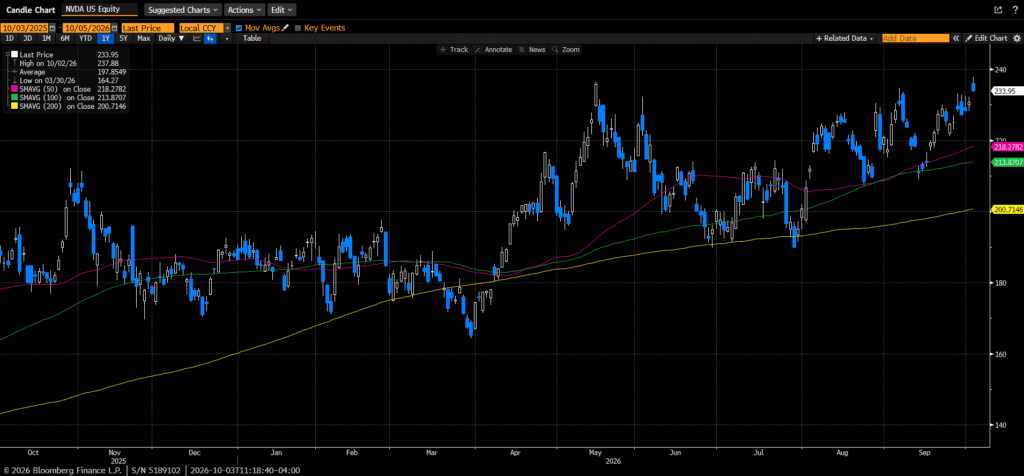
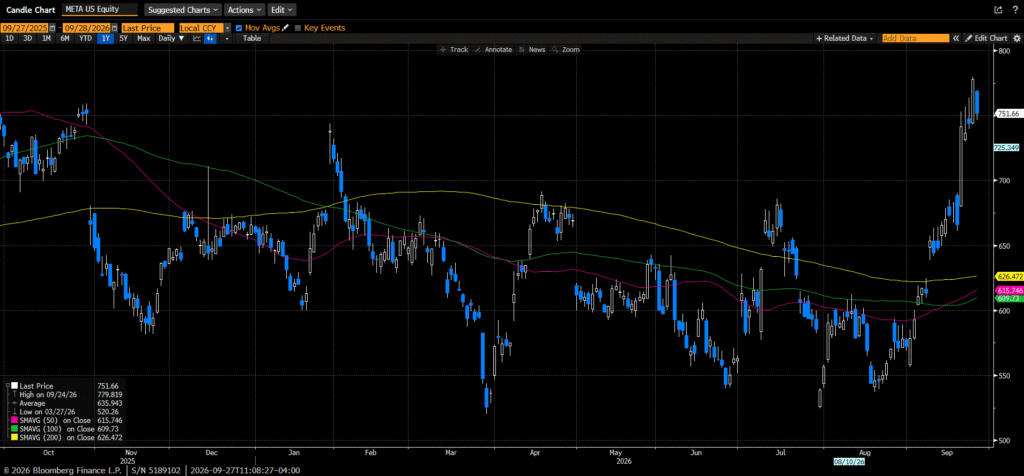
First quarter earnings continued to roll in with mixed results. In many cases, guidance from corporations has been lowered and at some companies even removed, given the uncertainty in the current economic outlook. Mega-cap Technology issues led the way this week on the back of earnings announcements from Tesla and Google. Tesla’s results missed the mark but rallied on the news that Elon Musk would curtail his efforts at DOGE and refocus his efforts on his companies. Tesla rallied 18.1% on the week. Google’s results came in better than expected and put a bid into the rest of the mega-cap tech space. Google was up 6.8% after their earnings call. This week, MMM, Texas Instruments, Netflix, and Boeing were notable gainers. IBM, Raytheon, Northrop Grumman, and SAIA were notable disappointments. We continue to monitor the guidance companies offer and their effects on the street’s expectations for aggregate earnings forecasts for the S&P 500. Despite seeing several strategists take down their estimates, the consensus estimate for S&P 500 earnings growth is still 8% for the year.

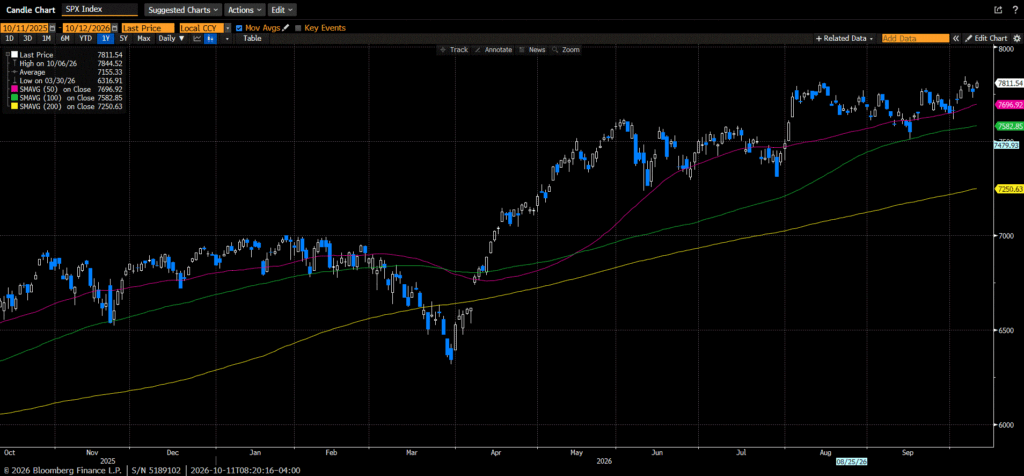
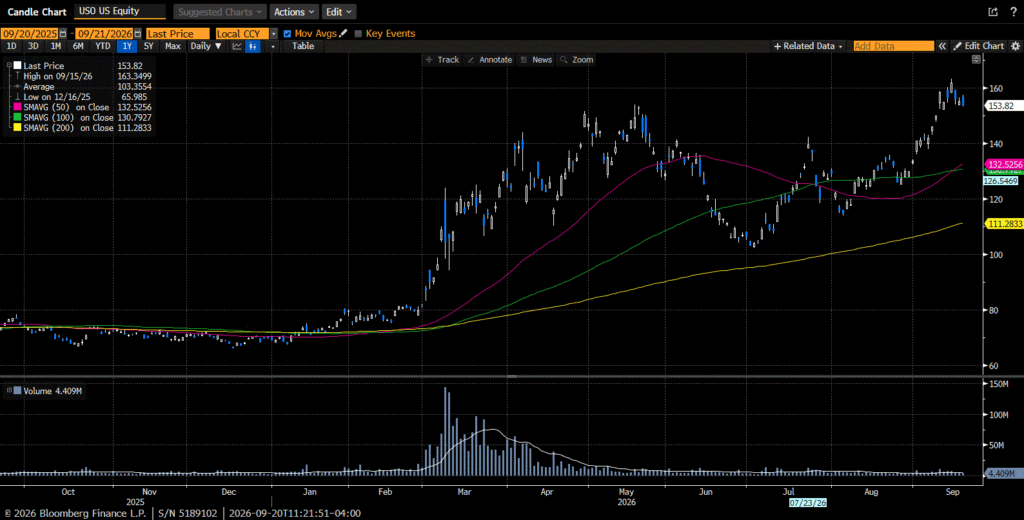
The S&P 500 gained 4.6%, the Dow rose by 2.5%, the NASDAQ increased by 6.73%, and the Russell 2000 was higher by 4.09%. The S&P 500’s 5500 level, a key technical resistance area, was retaken, possibly leading to another leg higher for the index. The S&P 500 has gained 10.11% from its lows in early April but is still off 14.27% from its February highs. The Index is down 6.06% year to date. Despite an awful week for US Treasury auctions, Treasuries rallied across the curve with no real maturity bias. The 2-year yield fell four basis points to 3.76%, while the 10-year yield lost six basis points to 4.27%. Oil prices fell by 1.3% for $0.88 to close at $63.04 a barrel. Gold prices eclipsed $3500 an Oz before reversing course to close the week lower by $30.20 to $3297.60 per Oz. Copper prices increased by $0.15 to close at $4.85 per Lb. Bitcoin prices increased by 10.59%, closing at ~$95,000. The US Dollar index increased by 0.3% to 99.51. The VIX fell by 4.81%.

The economic calendar was relatively quiet this week. The final reading of the University of Michigan’s consumer sentiment index for April was slightly better than expected, at 52.2, but it remained at historically low levels. The survey also showed an uptick in 1-year inflation expectations to 6.5%, the highest level since 1991. S&P Global Manufacturing ticked higher to 50.7 from 50.2. Their Services reading came in at 51.4, down from the prior reading of 54.4. March New Home Sales came in at 724K units, above the consensus estimate of 684K. Initial Jobless Claims increased by 6k to 222k, while Continuing Claims fell by 37k to 1.841m.
Investment advisory services offered through Foundations Investment Advisors, LLC (“FIA”), an SEC registered investment adviser. FIA’s Darren Leavitt authors this commentary which may include information and statistical data obtained from and/or prepared by third party sources that FIA deems reliable but in no way does FIA guarantee the accuracy or completeness. All such third party information and statistical data contained herein is subject to change without notice. Nothing herein constitutes legal, tax or investment advice or any recommendation that any security, portfolio of securities, or investment strategy is suitable for any specific person. Personal investment advice can only be rendered after the engagement of FIA for services, execution of required documentation, including receipt of required disclosures. All investments involve risk and past performance is no guarantee of future results. For registration information on FIA, please go to https://adviserinfo.sec.gov/ and search by our firm name or by our CRD #175083. Advisory services are only offered to clients or prospective clients where FIA and its representatives are properly licensed or exempted.