

Retirement is great – or at least it can be. However, quitting work alone isn’t enough to deliver happiness. That’s why many seniors keep working well into their golden years.
For those who prefer to spend the twilight of their life enjoying the trappings of leisure, finding true happiness is a numbers game. When you ask retirees what makes them truly happy, the answers are as surprising as they are numerous.
We decided to look at the top 10 factors that dictate happiness levels among seniors.

Healthcare Access
Adequate access to healthcare has been shown to increase life expectancy by approximately two to five years for both men and women aged 65 and older.
This is especially important in urban and rural areas, highlighting the critical role that healthcare access plays in the overall health, quality of life, and longevity of seniors.
While this isn’t directly linked to retirement happiness, it’s probably safe to equate increased life expectancy and quality of life with optimism and a positive frame of mind.
Family Connections
Research published on the National Library of Medicine website shows that seniors who live with family members report better social integration, well-being, and happiness than those living alone.
Additionally, other studies have found that seniors with supportive family relationships experience higher levels of happiness, as family ties provide emotional support, caregiving, and a sense of belonging.
Financial Security
Being free from financial worries and having the means to enjoy a productive retirement won’t surprise anyone in terms of retirement happiness.
According to the nonprofit Age UK, people who control their finances are calmer and happier. They are also much less likely to worry about finances like pensions and healthcare insurance.
Conversely, evidence suggests that worrying about pensions or stressing about running out of retirement funds prematurely can have an adverse effect on happiness levels.
Active Social Relationships
It sounds cliche, but everyone needs someone. Human beings are social creatures. Finding and maintaining social relationships generally becomes more complicated the older you get.
There is quite a bit of research to suggest that enjoying a healthy social life—and having the financial security to enjoy it—directly impacts happiness levels.
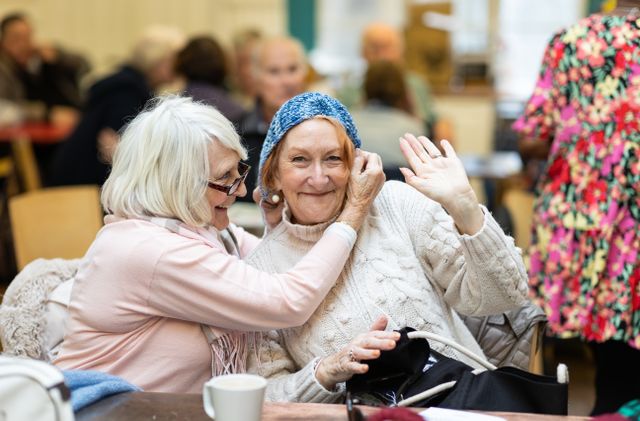
Moreover, strong family ties, friendships, and a sense of belonging within a community improve life satisfaction and reduce loneliness. Seniors with active social lives report higher levels of retirement happiness, mainly due to having emotional support and a sense of purpose in life.
Volunteering
Research performed by the Royal Voluntary Service revealed that 64% of retirees who volunteer to help others and support good causes report being happier.
Anyone who has ever helped someone else will testify that it delivers enormous satisfaction. This, coupled with the sense of purpose and social element of volunteer work, makes retirees happier and more positive.
Physical Health and Activity
It might surprise you that, according to Sport England, 42% of people aged 55 and over are physically inactive, compared with 29% of the total population. Yet 10 minutes of physical activity per week or just a little exercise per day has the potential to boost happiness levels.
What’s more, Frontiers in Psychology presumes there’s a strong and direct link between regular physical activity and the notion of well-being. What’s the key takeaway here? Well, it could be that more exercise typically leads to increased happiness and self-esteem.
Experiential Living
Experiential living is a life focused on actively engaging in different activities and experiences. This can mean different things to different people. For some, it’s socializing and nothing more. For others, it involves pushing boundaries by parachuting from planes or driving sports cars around race tracks.
According to one study, retirement is directly linked to “experiential well-being.” Forty percent of that well-being was attributed to having more time to seek out new experiences.
Mental Stimulation
Exactly what stimulates the mind of a senior is a subjective matter. For some, it might involve completing word puzzles or quizzes. For others, it might mean managing a local group or running charitable events. Whatever mental stimulation looks like, evidence suggests it improves cognitive function.
A study found that cognitive stimulation significantly improves cognition. The results indicated a standardized mean difference of 0.40, indicating a moderate improvement in cognitive performance after engaging in mental activities like puzzles or learning new skills.
If you can push your brain power to its limits regularly, there’s evidence that your efforts might make you a little happier.
Activities that challenge the brain – such as learning new skills – are linked to improved happiness. Keeping the mind engaged contributes to a more fulfilling and enjoyable life while also helping to slow cognitive decline.
Freedom and Independence
Autonomy and control are aspects of life most people take for granted. However, when you reach a certain age, the inevitable consequences of the aging process can take a toll on the capabilities you never imagined could go away. For some people, those consequences necessitate care and supervision – both of which interfere with a senior’s freedom and independence.
Research shows that, in many cases, seniors who can maintain their independence are happier than those from other age groups. Around 76% of 65 to 74-year-olds report feeling happy generally – compared with just 51% of 25 to 34-year-olds. As long as seniors are free to live on their terms, they appear to be among the happiest people in the world.
Pets
Did you know that around half the seniors in the U.S. own at least one pet? That may be down to the emotional and physical benefits of close contact with domestic animals.
From those daily walks to constant companionship, studies have shown that owning pets supports increased fitness levels, reduced stress, and enhanced mental well-being, especially in regard to the debilitating effects of loneliness retirees may face. Many seniors express how their pets influence their retirement planning decisions, including where to live.
Happiness in Retirement Begins with Good Health
If you’re not healthy – or constantly worried about what might happen if you require healthcare service – you can’t hope to be truly happy in retirement. Reach out to discuss Medicare options with our experienced insurance experts who have your best interests at heart.